Be Prepared: A Guide to Handling Disasters and Emergencies with Ready.gov

Table of Contents
- Original Emergency Alert System
- Failures of the Emergency Alert System Addressed | KSRO
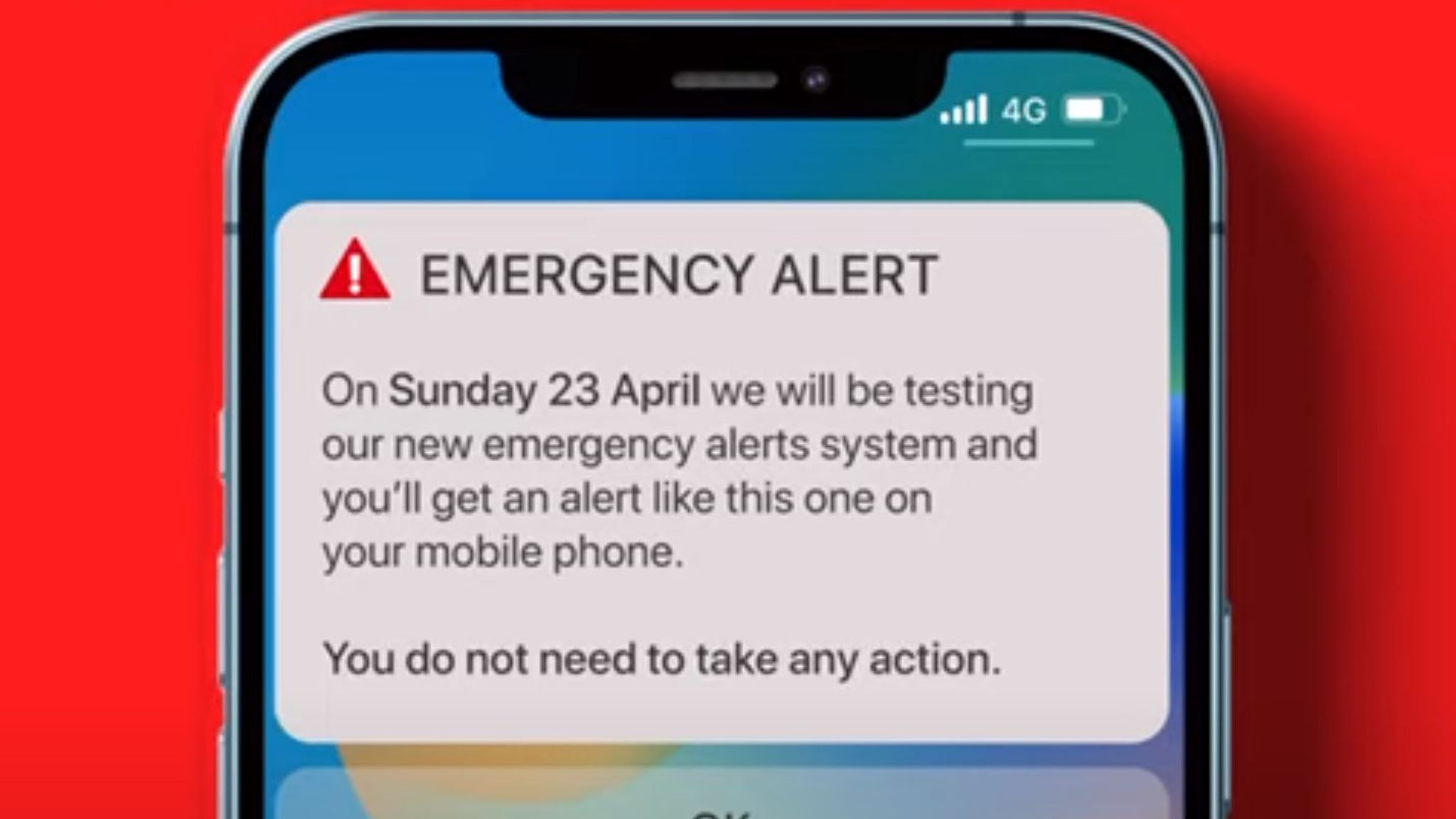
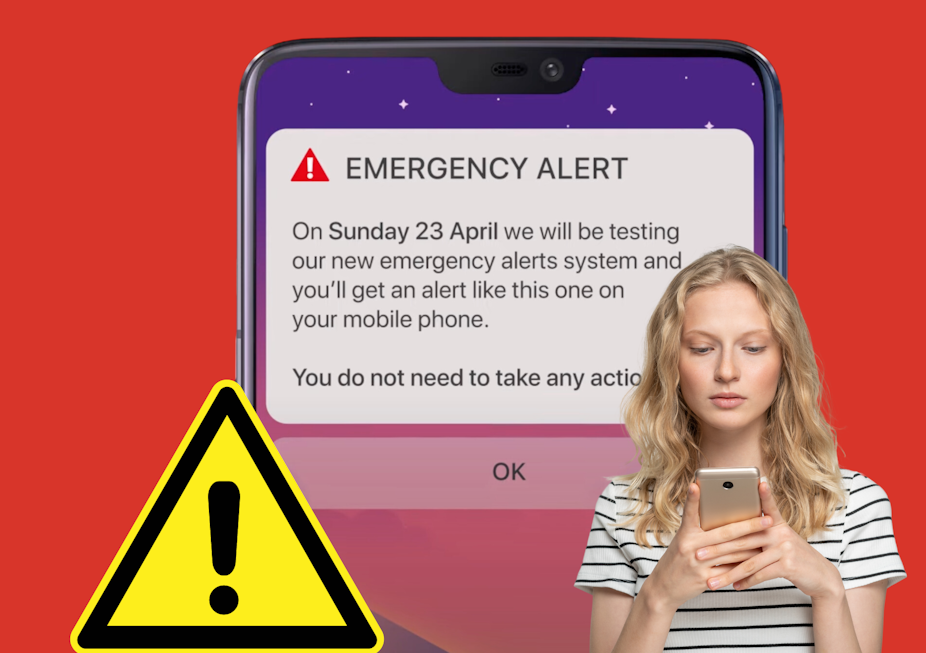
- UK tests nationwide emergency alert system - PolicyTracker: spectrum ...
- When is the Emergency Alert in the UK? | GoodtoKnow
- Emergency alert test happens today - here's everything you need to know ...
- Original Emergency Alert System
- Original Emergency Alert System
- Original Emergency Alert System
- Emergency Alert System Template
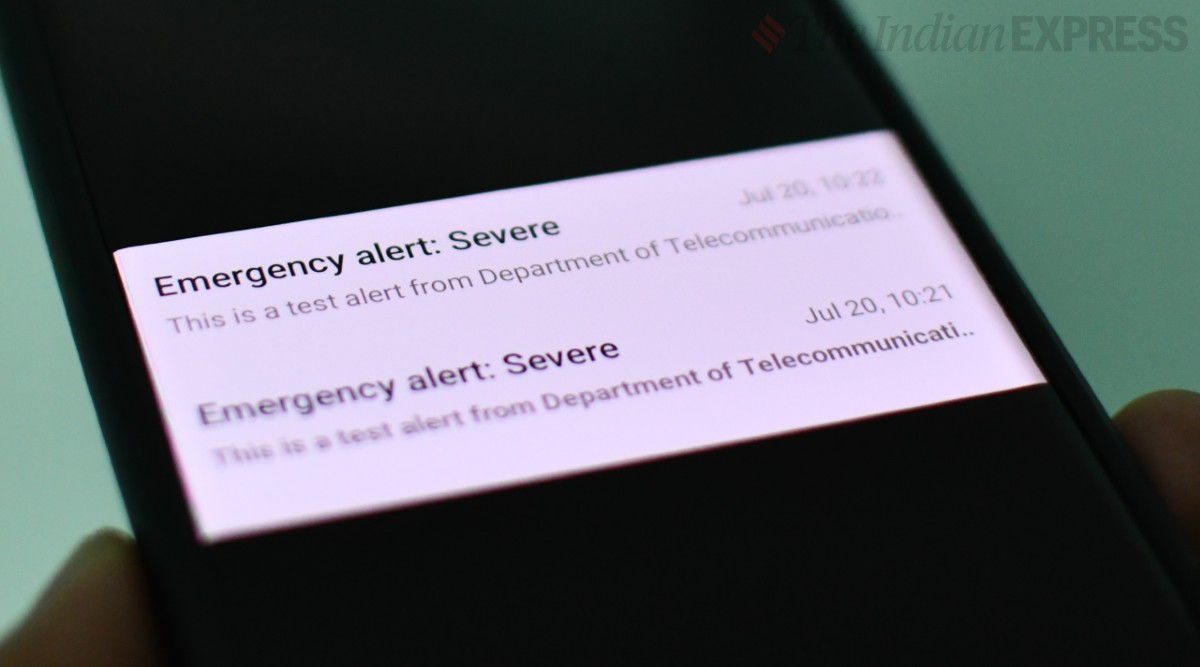
- Nationwide Emergency Alert Test To Occur In October. | MOUNTAIN DAILY STAR

Why Disaster Preparedness Matters

Resources Available on Ready.gov
Tips for Staying Safe During Emergencies
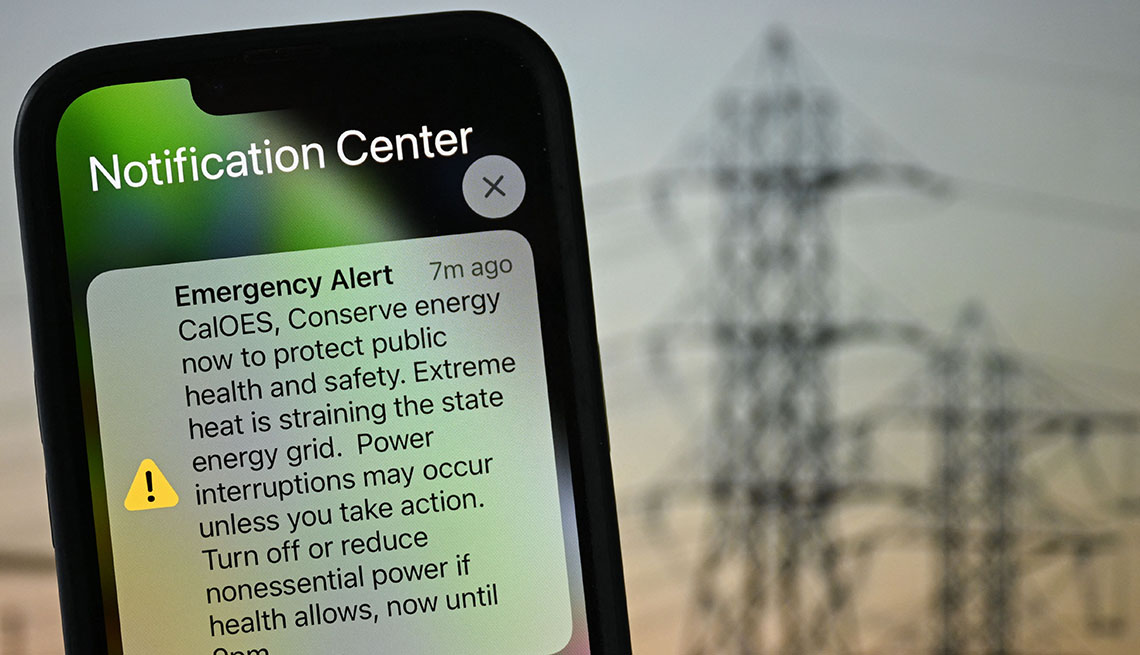
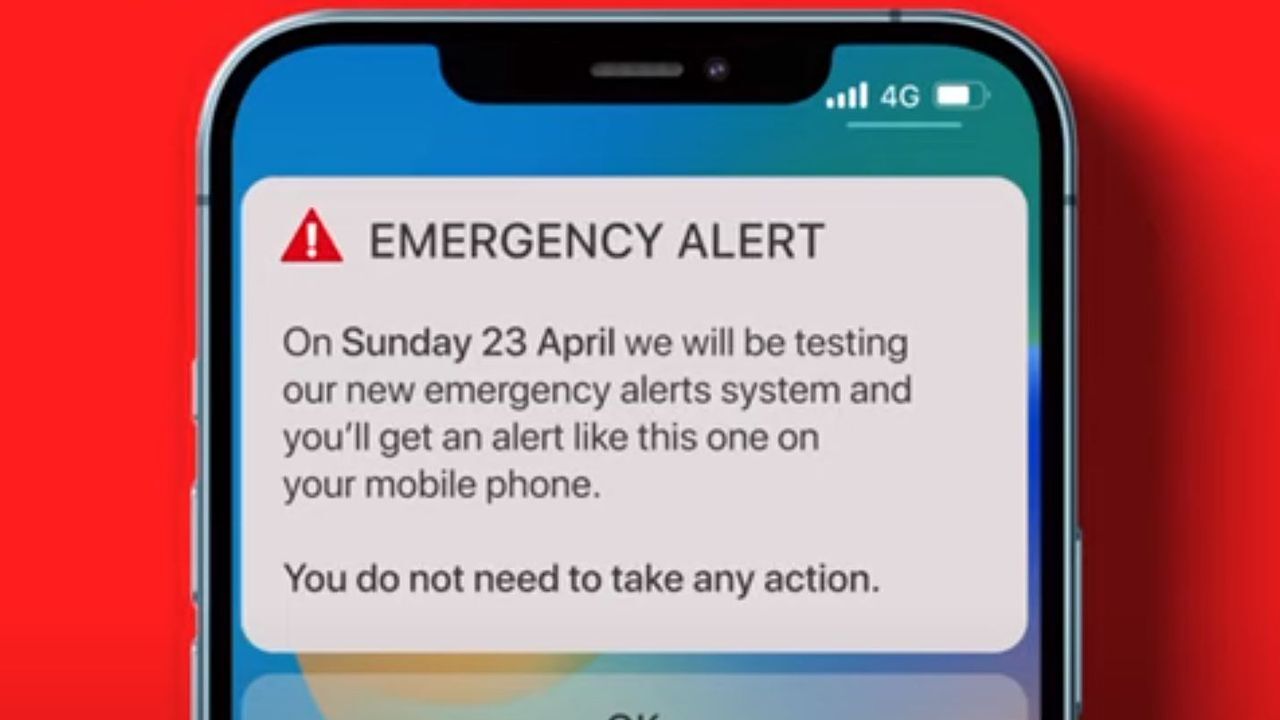
While no one can predict with certainty when a disaster will strike, there are steps individuals and families can take to stay safe during emergencies. Here are a few tips: Stay informed: Sign up for emergency alerts and follow trusted sources of information, such as local news and weather reports Have a plan: Create a family emergency plan that includes a communication plan, evacuation routes, and a meeting point Build a kit: Assemble a disaster supply kit with essential items, such as food, water, and first aid supplies Stay safe during an emergency: Follow evacuation orders, avoid hazards such as fallen power lines and contaminated water, and seek shelter in a safe location Disasters and emergencies can be devastating, but by being prepared and knowing how to respond, individuals and families can reduce their risk of injury or loss. Ready.gov is a valuable resource that provides information and guidance on disaster preparedness and response. By taking the time to create a plan, build a kit, and stay informed, individuals and families can help themselves and their communities stay safe during emergencies. Remember, preparation is key to staying safe during disasters and emergencies. Visit Ready.gov today to start preparing and stay safe tomorrow.This article is for informational purposes only and is not intended to provide professional advice. For specific guidance on disaster preparedness and response, please consult with local authorities and emergency management officials.